

Hey there! As a supplier of flat pack containers, I often get asked how to add partitions in these bad boys. So, I thought I'd put together this blog post to walk you through the whole process.
First off, why would you want to add partitions in a flat pack container? Well, there are tons of reasons. Maybe you're using it as an office space and need to create individual work areas. Or perhaps it's a storage unit, and you want to separate different types of items. Partitions can also help with insulation and privacy.
Understanding Your Flat Pack Container
Before you start adding partitions, it's super important to understand the structure of your flat pack container. Flat pack containers are designed to be easy to assemble and transport. They're made up of pre - fabricated panels that fit together like a big jigsaw puzzle.
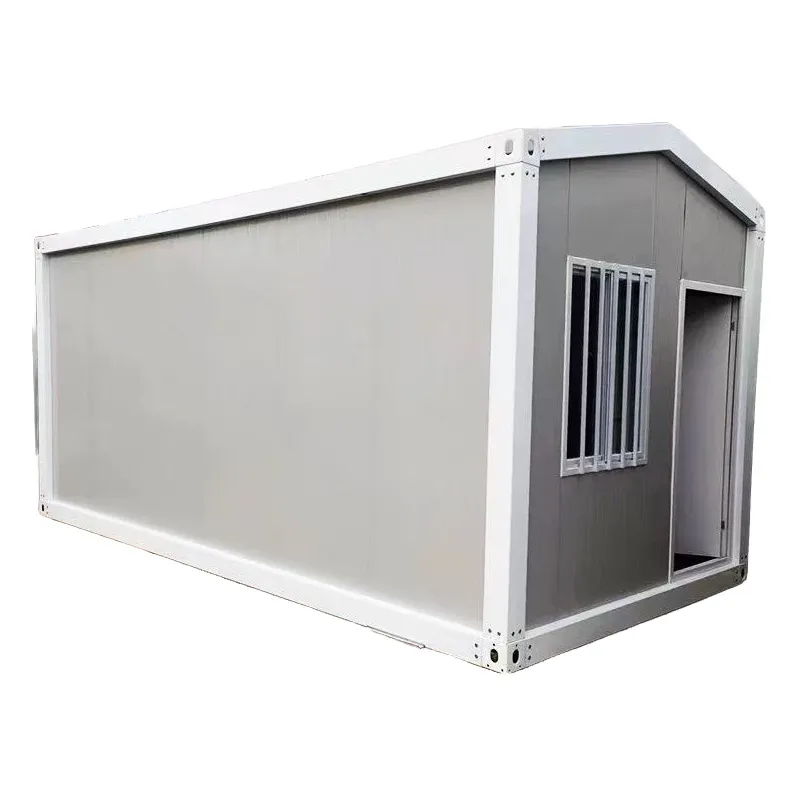
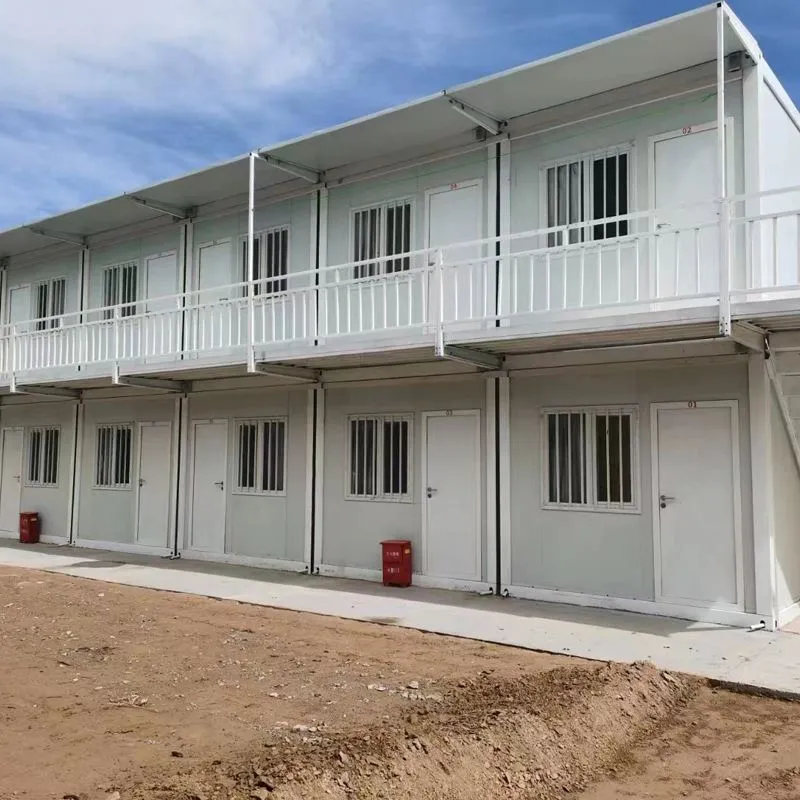
If you're interested in the different types of flat pack containers we offer, check out these links: Flat Pack Shipping Container Office, Flat Pack Insulated Containers, Site Office Flat Pack, Insulated Flat Pack Containers, and Flat Pack Container Shed.
Tools and Materials You'll Need
To add partitions in your flat pack container, you'll need a few basic tools and materials:
- Measuring tape: You've got to get those measurements right!
- Saw: A good quality saw will help you cut the partition materials.
- Drill: For making holes and attaching the partitions.
- Screws and nails: To hold everything together.
- Partition materials: This could be plywood, drywall, or even metal sheets depending on your needs.
Step 1: Measure and Plan
The first step is to measure the inside of your container where you want to add the partitions. Measure the length, width, and height accurately. Then, decide how many partitions you want and where you want to place them. Sketch out a plan on a piece of paper. This will help you visualize the final result and make sure everything fits properly.
Step 2: Prepare Your Partition Materials
Once you have your measurements, it's time to prepare the partition materials. If you're using plywood or drywall, cut them to the right size using your saw. Make sure the edges are straight and smooth. If you're using metal sheets, you might need to use a special cutting tool.
Step 3: Mark the Installation Points
Using your measuring tape and a pencil, mark the points on the container walls where you'll be attaching the partitions. This will ensure that the partitions are installed straight and level.
Step 4: Attach the Partitions
Now it's time to attach the partitions to the container walls. Start by drilling holes in the marked points. Then, use screws or nails to attach the partitions to the walls. Make sure the partitions are securely fastened. You might need someone to help you hold the partitions in place while you're attaching them.
Step 5: Add Finishing Touches
Once the partitions are attached, you can add some finishing touches. You can paint the partitions to match the interior of the container or add some trim for a more professional look. You can also add doors or windows to the partitions if you need access between the different areas.
Tips and Tricks
- Make sure to wear safety gear like goggles and gloves when using tools.
- If you're not sure about something, don't hesitate to ask for help. You can reach out to us or a professional contractor.
- Consider the weight of the partitions. If they're too heavy, it could affect the structural integrity of the container.
Conclusion
Adding partitions in a flat pack container is a great way to customize your space. It might seem a bit daunting at first, but with the right tools, materials, and a little bit of planning, you can do it yourself.
If you're in the market for a flat pack container or have any questions about adding partitions, we're here to help. Whether you're looking for a shipping container office, an insulated container, or a container shed, we've got you covered. Just hit us up for a chat about your requirements and we'll work together to find the perfect solution for you.
References
- General knowledge from years of working with flat pack containers as a supplier.
- Industry best - practices for the installation of partitions in containers.