

Hey there! I'm a supplier of Multifamily Prefab Homes, and I often get asked if these types of homes are energy - efficient. So, I thought I'd dive into this topic and share my insights.
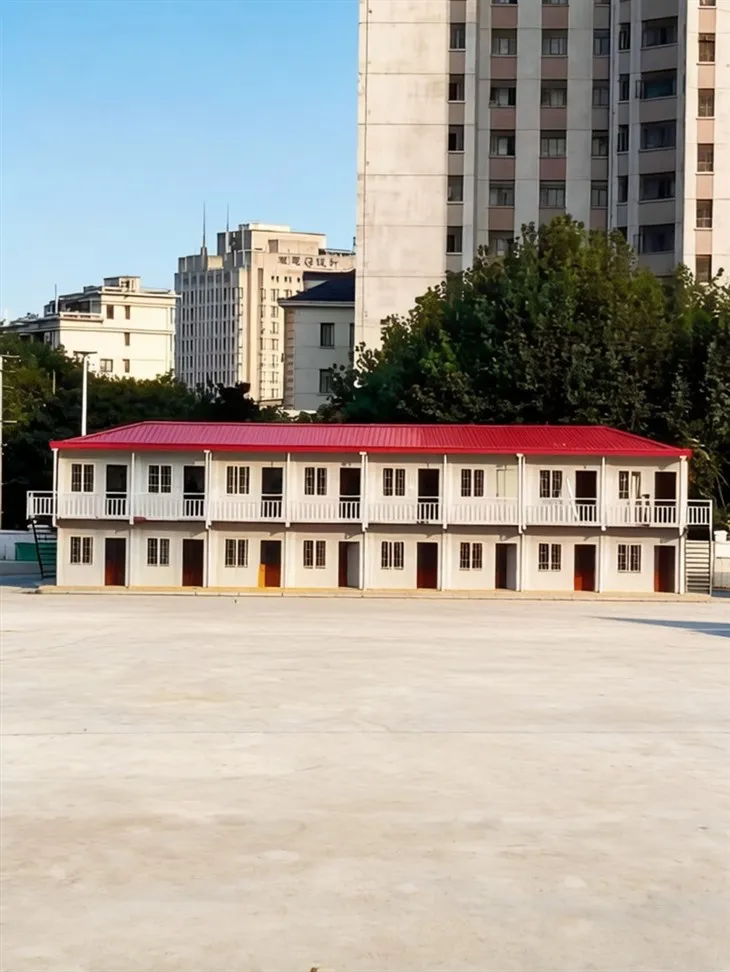
First off, let's understand what multifamily prefab homes are. These are prefabricated housing units designed to accommodate multiple families or households. They're built in a factory and then transported to the site, which speeds up the construction process.
Now, the big question: Are they energy - efficient? Well, the answer is a resounding yes, and here's why.
1. Precise Construction in a Controlled Environment
One of the biggest advantages of prefab homes is that they're built in a factory. This means the manufacturing process is much more controlled compared to on - site construction. For instance, when it comes to insulation, in a factory, workers can install insulation materials more precisely. There are fewer chances of gaps or uneven installation that could lead to heat loss.
In the case of multifamily prefab homes, this translates into better energy performance for all units. Imagine a regular on - site construction where weather can disrupt work. Rain might delay the installation of insulation or cause moisture to get trapped, which can reduce its effectiveness. In a factory, these problems are minimized, and the homes are built with high - quality insulation from the get - go.
2. Advanced Building Materials
As a multifamily prefab home supplier, I know firsthand that we use some of the most cutting - edge building materials. For example, many of our homes come with energy - efficient windows. These windows are designed to reduce heat transfer. In the winter, they keep the warm air inside, and in the summer, they block out the hot sun.
Some of these windows even have special coatings that reflect infrared light. This technology helps to maintain a comfortable temperature inside the home without relying too much on heating or cooling systems. Additionally, we use high - R - value insulation materials. The R - value measures an insulation material's resistance to heat flow. The higher the R - value, the better the insulation. So, with these advanced materials, multifamily prefab homes can significantly reduce energy consumption.
3. Energy - Efficient Design
Another factor that contributes to the energy efficiency of multifamily prefab homes is their design. We focus on creating layouts that maximize natural light and ventilation. By having large windows and well - designed room configurations, we can reduce the need for artificial lighting during the day.
Natural ventilation is also a key aspect. We design the homes in a way that allows fresh air to flow through the units, which helps to keep the indoor air quality high and reduces the need for air conditioning. For example, some of our apartment - style prefab homes have cross - ventilation features, where air can enter through one side of the unit and exit through the other.
4. Bundled Utility Systems
Multifamily prefab homes often have utility systems that are designed to be more energy - efficient. For example, we can install high - efficiency HVAC (Heating, Ventilation, and Air Conditioning) systems. These systems are better at regulating the temperature and humidity of the homes using less energy.
We can also use shared utility systems for multiple units, such as a central heating or cooling system for an entire building. This way, the overall energy consumption per unit is reduced. Additionally, we can integrate renewable energy sources like solar panels more easily in multifamily prefab homes. Since the buildings are already designed and built with a certain structure in mind, it's simpler to install and connect solar panels to the electrical system.
Now, let's take a look at some of the different types of prefab homes we offer and how they contribute to energy efficiency.
-
Prefab Homes With Basement: Basements can provide natural insulation. They're cooler in the summer and warmer in the winter. By having a pre - built basement as part of the prefab home, we can take advantage of this natural insulation and reduce the energy needed to heat or cool the upper floors.

-
Upscale Modular Homes: These homes often come with the latest in energy - saving technologies. From high - end insulation materials to smart home systems that can regulate energy use, upscale modular homes are designed to be both luxurious and energy - efficient.
-
Simple Prefab Homes: Just because they're simple doesn't mean they're not energy - efficient. Simple prefab homes are designed with a focus on functionality and cost - effectiveness. They use basic yet efficient building materials and designs to minimize energy consumption.
-
Compact Living Prefab Homes: With a smaller footprint, these homes require less energy to heat and cool. They're also designed to make the most of every square foot, which often includes energy - efficient features like efficient lighting and ventilation.
-
Passive Modular Home: These are the cream of the crop when it comes to energy efficiency. Passive modular homes are designed to use minimal energy for heating and cooling. They rely on the home's design, insulation, and orientation to the sun to maintain a comfortable temperature year - round.
In conclusion, multifamily prefab homes are indeed energy - efficient. They offer a great solution for those looking to reduce their energy bills, lower their carbon footprint, and still enjoy a comfortable living environment.
If you're interested in learning more about our multifamily prefab homes or are thinking about purchasing one, I'd love to have a chat. Whether you're a developer looking to build a large multifamily complex or an individual interested in a smaller unit, we have the expertise and the products to meet your needs. Reach out to me, and we can start discussing how we can make your energy - efficient housing dream a reality.
References
- "Energy - Efficient Building Design Handbook" by the American Society of Heating, Refrigerating and Air - Conditioning Engineers (ASHRAE)
- "Prefabricated Housing: A Sustainable Solution for the Future" from the Journal of Sustainable Construction
- Various industry reports on energy efficiency in prefabricated homes from the National Association of Home Builders (NAHB)