

Multifamily prefab homes, also known as modular multifamily housing, have gained significant popularity in recent years due to their cost - effectiveness, quick construction time, and high - quality standards. As a supplier of Multifamily Prefab Homes, one question that frequently comes up from our clients is whether these homes can be relocated. In this blog, we will explore this topic in detail.
Understanding Multifamily Prefab Homes
Multifamily prefab homes are built in a factory environment, where different modules are constructed and then transported to the building site for assembly. These homes can range from small duplexes to large apartment complexes. The prefabrication process allows for greater precision, better quality control, and less waste compared to traditional on - site construction.
One of the key advantages of prefab homes is their flexibility. They can be designed in various styles and configurations to meet different client needs. For example, you can find Upscale Modular Homes that offer high - end finishes and luxurious features, One Level Modular Homes for those who prefer single - story living, and 2 Level Modular Homes that provide more living space.
Can Multifamily Prefab Homes be Relocated?
The short answer is yes, multifamily prefab homes can be relocated. However, there are several factors to consider before undertaking such a move.
Structural Integrity
Multifamily prefab homes are designed to be transported and assembled on - site. The modules are built with strong frames and connections to withstand the rigors of transportation. When it comes to relocation, the structural integrity of the home needs to be carefully evaluated. A professional engineer should inspect the home to ensure that it can be safely moved. The connections between the modules, as well as the overall structure, need to be in good condition. If there are any signs of damage or wear, repairs may be necessary before the move.
Transportation Logistics
Relocating a multifamily prefab home involves complex transportation logistics. The size and weight of the modules need to be considered when choosing the transportation method. Large modules may require specialized trucks or even cranes for loading and unloading. The route for transportation also needs to be planned in advance to avoid any obstacles such as low bridges or narrow roads. Additionally, permits may be required from local authorities for the transportation of oversized loads.
Foundation and Site Preparation
Once the multifamily prefab home is relocated, a new foundation needs to be prepared at the new site. The foundation should be designed to support the weight of the home and be compatible with the local soil conditions. Site preparation may also include leveling the ground, ensuring proper drainage, and providing utilities such as water, electricity, and sewage connections.
Cost Considerations
Relocating a multifamily prefab home can be a costly endeavor. The expenses include transportation costs, foundation construction at the new site, and any necessary repairs or modifications. It is important to get a detailed cost estimate from a professional moving company and a contractor for the foundation work. In some cases, the cost of relocation may be comparable to or even higher than building a new prefab home at the new site.
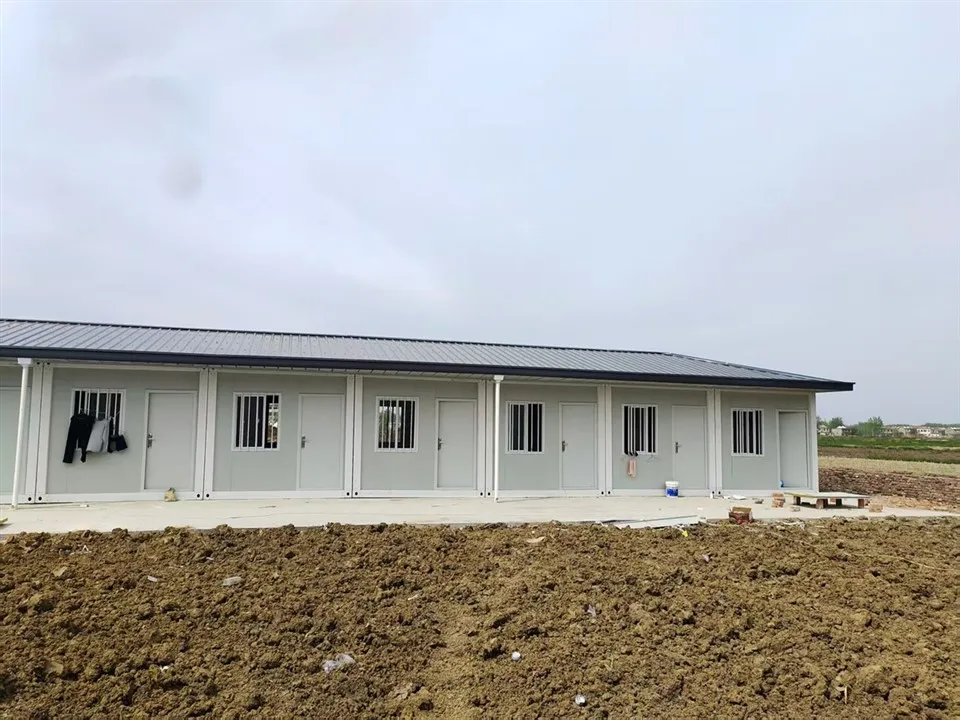

Benefits of Relocating Multifamily Prefab Homes
Despite the challenges and costs involved, there are several benefits to relocating multifamily prefab homes.
Changing Location Needs
Clients may need to relocate their multifamily prefab homes due to changes in personal or business circumstances. For example, a developer may want to move a small apartment complex to a more profitable location. Or a family may need to move their duplex to a different neighborhood for better schools or proximity to work.
Reusing the Home
Relocating a prefab home allows for its reuse, which is an environmentally friendly option. Instead of demolishing the home and building a new one, relocating it can save resources and reduce waste.
Customization and Upgrades
During the relocation process, clients have the opportunity to make customization and upgrades to the home. They can add new features, improve the energy efficiency, or change the layout to better suit their needs.
Our Role as a Multifamily Prefab Homes Supplier
As a supplier of Multifamily Prefab Homes, we understand the complexities of relocating these homes. We work closely with our clients to provide guidance and support throughout the relocation process. Our team of experts can help with structural evaluations, transportation planning, and foundation design. We also offer a range of prefab home options, including Upscale Modular Homes, One Level Modular Homes, and 2 Level Modular Homes, to meet different client requirements.
If you are considering relocating your multifamily prefab home or are interested in purchasing a new one, we encourage you to contact us. Our experienced team can provide you with detailed information and help you make an informed decision. Whether you need a simple duplex or a large apartment complex, we have the expertise and resources to meet your needs.
Conclusion
Multifamily prefab homes can indeed be relocated, but it is a complex process that requires careful planning and consideration. The structural integrity, transportation logistics, foundation preparation, and cost are all important factors to take into account. However, the benefits of relocation, such as changing location needs, reusing the home, and customization opportunities, make it a viable option for many clients.
As a leading supplier of Multifamily Prefab Homes, we are committed to providing our clients with high - quality products and excellent service. If you have any questions or would like to discuss your prefab home needs, please do not hesitate to reach out. We look forward to working with you to create the perfect living or investment solution.
References
- "Modular Construction: A Guide to Building with Prefabricated Components" by John Doe
- "The Future of Multifamily Housing: Prefabrication and Sustainability" by Jane Smith
- Industry reports on prefabricated housing from various research institutions.